Back
6 in stock
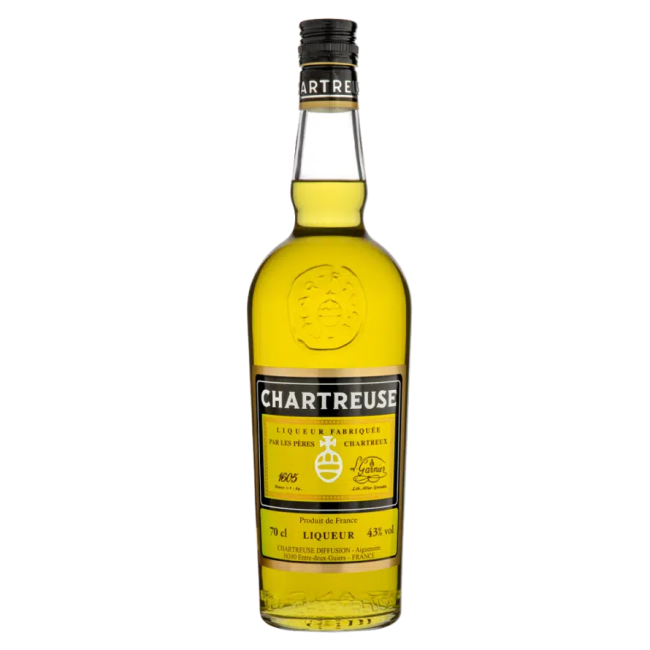
Chartreuse Yellow 70 cl 43° alcohol
CHF 75.00
Type : Liqueur
Origin : FRANCE
Region :
Vintage :
Bottle : 75 cl
-
Description
Chartreuse Yellow 70 cl 43° alcohol
Created in 1840, this yellow liqueur was inspired by the recipe for Élixir Végétal. It was so popular that Père Garnier, the public prosecutor in charge of liqueurs at the time, decided to give it the official name Chartreuse Jaune and registered the "Chartreuse" trademark in 1852. This 43° liqueur is still produced today by the Carthusian monks.
Elaboration :
Chartreuse Jaune is characterised by its sweetness, spicy aromas and natural colour derived from 130 plants, flowers, barks, roots, spices and berries.
Its production is quite different from Chartreuse Verte and requires several weeks of work in various stages:
- Grindings made by the monks in the plant room at the Grande Chartreuse monastery.
- Distillation to obtain the aroma.
- Different types of maceration are used to extract the active ingredients from the plants and give the liqueur its natural colour.
Its production is quite different from Chartreuse Verte and requires several weeks of work in various stages:
- Grindings made by the monks in the plant room at the Grande Chartreuse monastery.
- Distillation to obtain the aroma.
- Different types of maceration are used to extract the active ingredients from the plants and give the liqueur its natural colour.
It is then aged for a long time in oak truncated-cone vats before being bottled, and continues to evolve and develop its complexity in bottle.
Tasting notes :
Intense yellow colour, fresh, spicy nose.
A soft structure.
Scents of turmeric, citrus and aniseed.
Floral notes prolong the tasting experience:
A soft structure.
Scents of turmeric, citrus and aniseed.
Floral notes prolong the tasting experience:
As an after-dinner drink, to discover all its flavours and aromatic power. Ideally served chilled between 12° and 13° or on the rocks.
Also used as an ingredient in cocktails since the 19th century, it adds subtlety and sweetness.
Also used as an ingredient in cocktails since the 19th century, it adds subtlety and sweetness.
You may also like


Related products
-
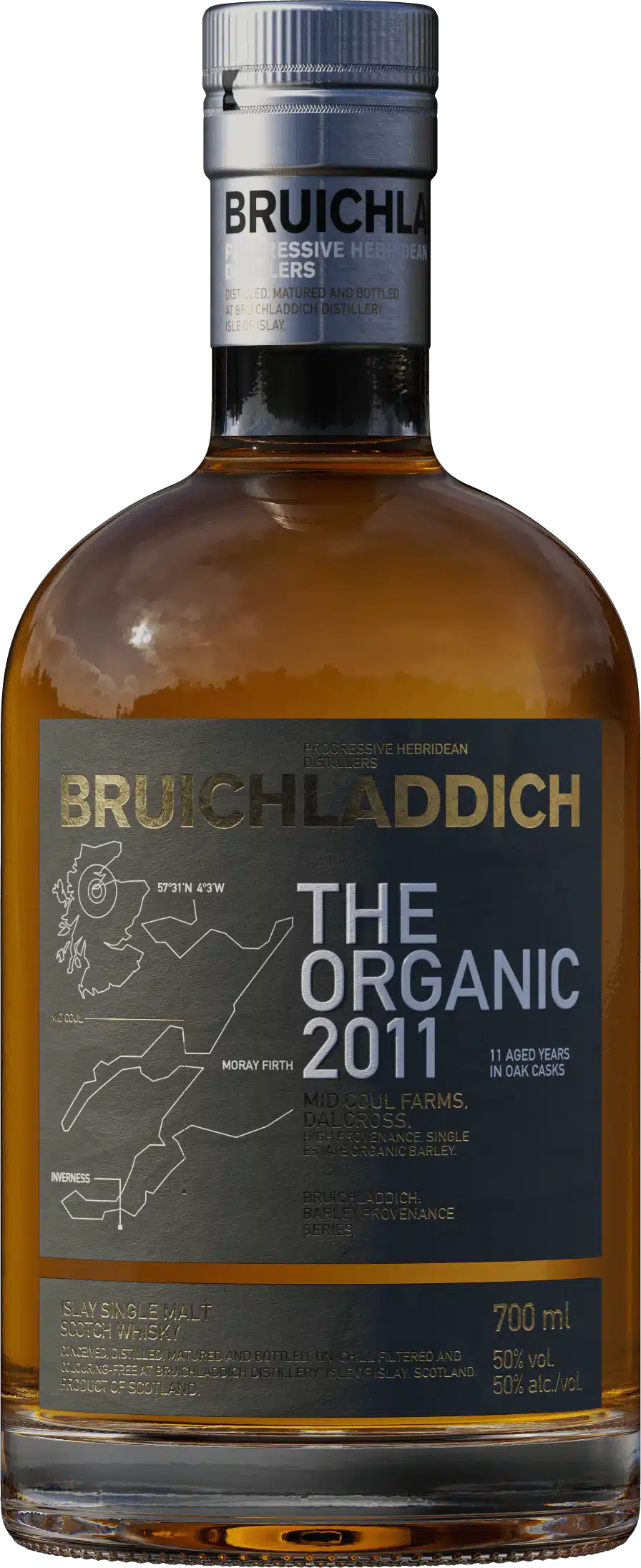
Bruichladdich Organic Barley 2011 70 cl 50° alcoholOriginal price was: CHF 119.00.CHF 109.00Current price is: CHF 109.00.
-
-